
The Science Behind a Great Shave
Most guys don’t think too deeply about shaving. You splash some water on your face, drag a razor around for a few minutes, hope for the best, and get on with your day, right?
But if you’ve ever dealt with razor burn, bumps, cuts, irritation, or that weird feeling where your face somehow feels both dry and greasy afterward…there’s actually a reason for it.
A smooth shave isn’t just about getting the hair off your face. There’s real science behind why some shaves feel amazing and others feel like your skin’s been sandpapered.
Your Facial Hair Is Tougher Than You Think
Beard hair isn’t usually soft and fluffy. In fact, facial hair is surprisingly thick and tough compared to the hair on the rest of your body. Some studies even suggest beard hair can be almost as hard as copper wire relative to its thickness…which explains why hacking away at it with a dry razor feels absolutely terrible. (We’ve all been there).
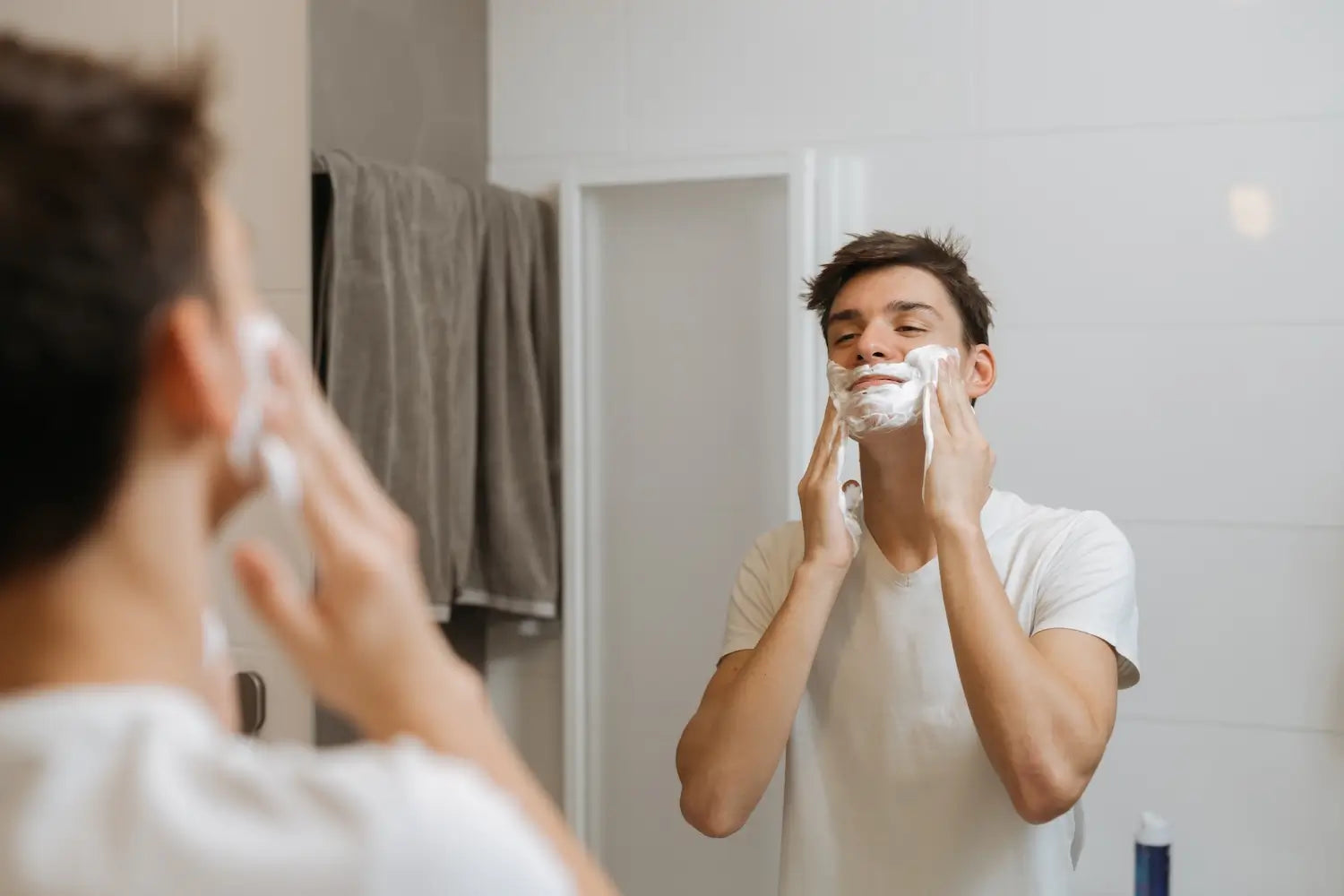
The key to a smooth shave is softening the hair first. That’s why warm water and a shave prep matter so much. Warm water helps the hair absorb moisture, making it swell and soften. Softer hair can be cut more easily, which means less tugging and less irritation.
Basically:
- Dry beard hair fights back
- Hydrated beard hair gives up peacefully
Big difference.
Sharp Blades Matter
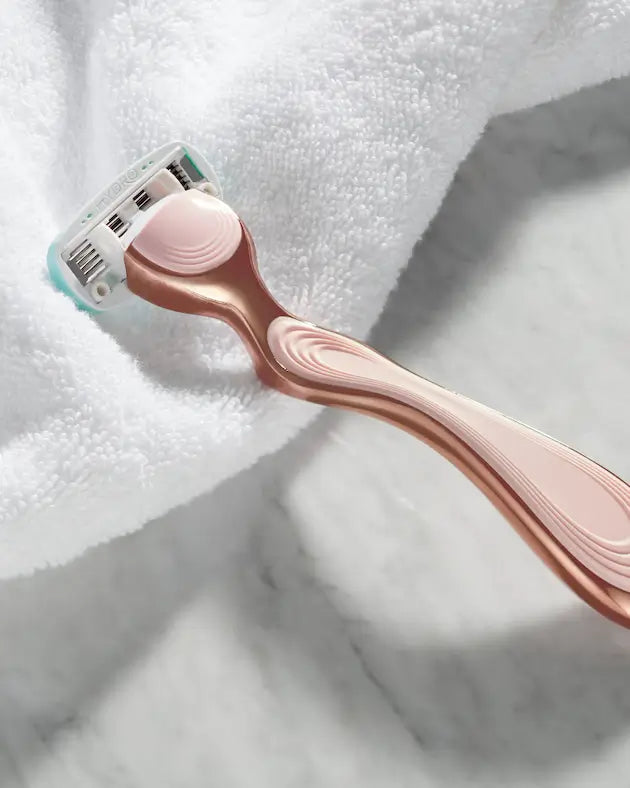
You know when a razor starts feeling rough and tuggy instead of smooth? That’s because dull blades don’t cut hair cleanly anymore. They pull at it before slicing through it.
And your skin absolutely notices.
A sharp blade:
- Cuts cleaner
- Needs less pressure
- Creates less friction
- Reduces irritation
A dull blade does the opposite and turns your morning shave into a punishment. A lot of razor burn is simply caused by hanging onto old cartridges way too long because “it still sort of works.”
Mate, change the blade.
Friction Is the Real Villain
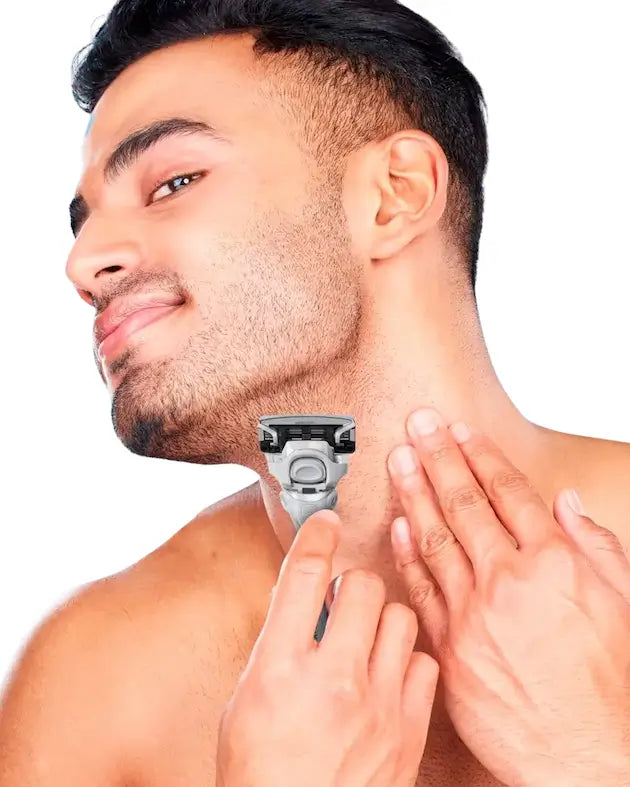
Most shaving irritation comes down to friction. Every time the blade moves across your skin, it creates resistance. Too much friction and your skin gets angry fast.
That’s why shaving cream exists in the first place! It creates a protective layer that helps the razor glide smoothly instead of scraping your face raw. A good razor should glide. If you’re forcing it, something’s wrong:
- Blade’s dull
- Not enough lubrication
- Skin prep’s poor
- Or you’re just attacking your face like it owes you money
Why Shaving After a Shower Feels Better
Ever notice your best shaves usually happen after a hot shower? There’s science behind that too. Steam and warm water soften both:
- The facial hair
- The outer layer of your skin
That makes the razor move more easily with less resistance.
It’s basically the shaving equivalent of a warm-up before the gym. Everything works better when it’s loosened up first.
Your Skin Barrier Matters
Here’s something most people never think about: Shaving is technically a form of exfoliation. Every shave removes not only hair, but also tiny amounts of dead skin and natural oils from your face. That’s why your skin can feel dry or sensitive afterward.
If you don’t moisturize after shaving, your skin barrier can end up irritated and dehydrated, which often leads to:
- Redness
- Tightness
- Flaking
- More oil production later
Which is why a good post-shave moisturizer genuinely makes a difference.
Technique Beats Expensive Products
You don’t need a luxury marble-handled razor forged by monks in the Alps (but how cool would that be…?) Most of the time, a good shave comes down to simple habits:
- Warm water
- Sharp blade
- Light pressure
- Proper shaving prep (gel or foam)
- Shaving with the grain
- Moisturizing afterward
That’s about it. So go get it done.