

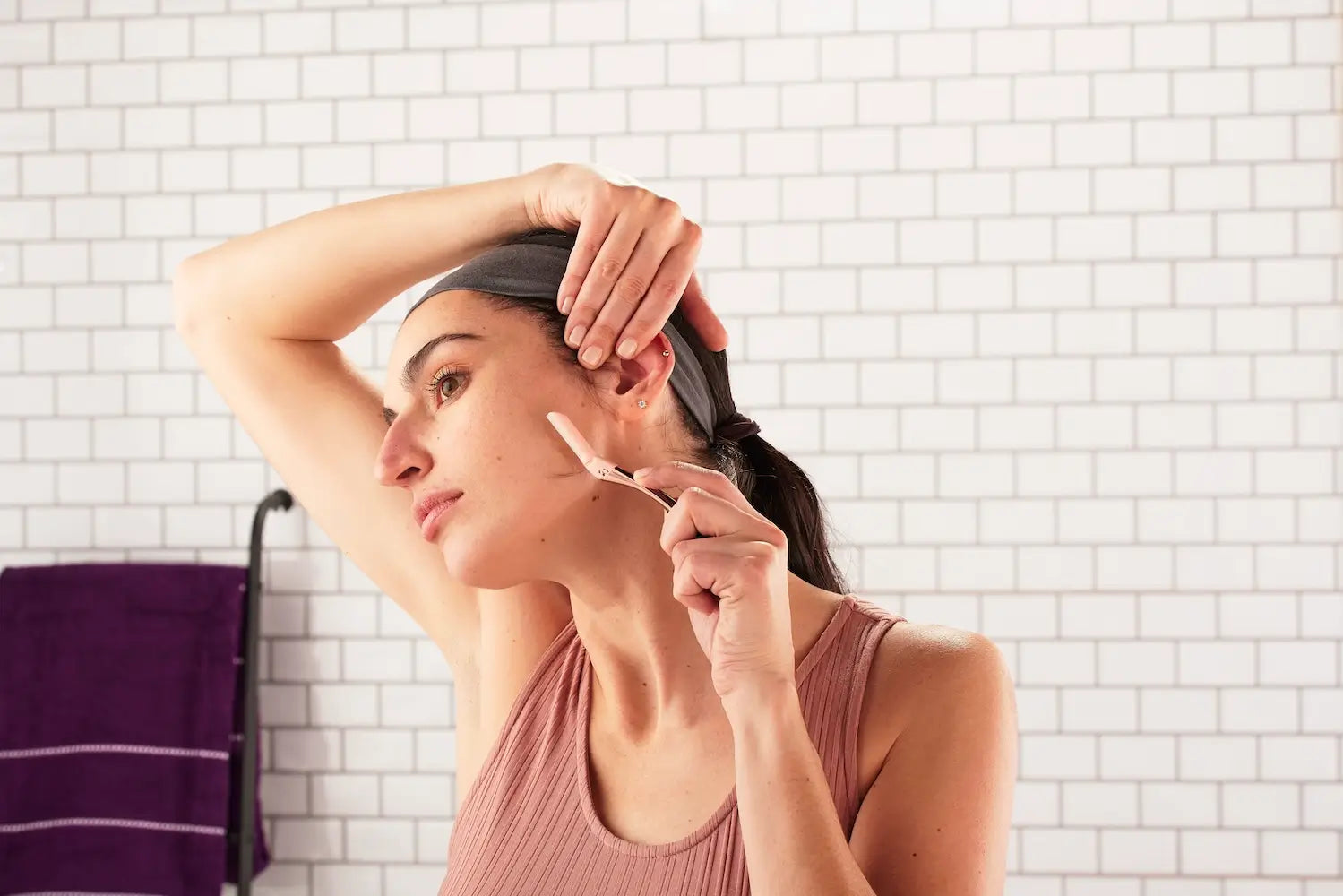
Dermaplaning 101: What, Who, When, How?!
Smooth, glowing skin is on everyone’s radar and dermaplaning has quickly become one of the most talked-about beauty treatments for achieving it. Loved by skincare professionals, makeup artists, and beauty enthusiasts alike, dermaplaning offers softer skin, better product absorption, and a radiant complexion.
But what exactly is dermaplaning, and is it safe?
What Is Dermaplaning?
Dermaplaning is a non-invasive exfoliation treatment that uses a specially designed blade to gently remove:
- Dead skin cells
- Surface debris
- Fine facial hair (often called “peach fuzz”)
Unlike shaving, dermaplaning focuses primarily on exfoliation rather than hair removal alone.
Benefits of Dermaplaning
- Smoother Skin Texture: Removing dead skin cells can instantly leave skin feeling softer and smoother.
- Brighter Appearance: Exfoliation helps reveal fresher-looking skin underneath dull surface buildup.
- Better Makeup Application: Foundation and powders often sit more evenly on freshly dermaplaned skin.
- Improved Product Absorption: Skincare products may absorb more effectively after excess dead skin is removed.
- Temporary Removal of Peach Fuzz: Fine facial hair is removed during treatment, which many people enjoy for a smoother finish.
Does Dermaplaning Make Hair Grow Back Thicker?
No — this is one of the biggest myths surrounding dermaplaning.
Dermaplaning does not change:
- Hair thickness
- Hair colour
- Hair growth speed
Hair may feel slightly different as it grows back because the blade cuts hair at the surface, creating a blunt edge. However, the hair itself is not actually thicker or darker.
Who Should Avoid Dermaplaning?
Dermaplaning may not be ideal for everyone. People with the following conditions should talk to a professional before trying anything at home:
- Active acne
- Open wounds
- Extremely sensitive skin
- Certain skin conditions like eczema or rosacea
Performing dermaplaning over active breakouts can irritate the skin further.
How Often Should You Dermaplane?
Most professionals recommend dermaplaning every:
- 3–4 weeks
This timing matches the skin’s natural renewal cycle and helps avoid excessive exfoliation.
Dermaplaning Aftercare Tips
After dermaplaning, your skin may be temporarily more sensitive. Proper aftercare is important.
Helpful tips include:
- Avoiding harsh exfoliants for a few days
- Keeping skin moisturised
- Wearing sunscreen daily
- Avoiding direct sun exposure immediately afterward
Sun protection is especially important because freshly exfoliated skin can be more vulnerable to UV damage.
Our Schick Silk Salon Dermaplaning Balm is the perfect 2-in-1 product that can be used to moisturise your skin after dermaplaning, as well as providing a protective cushion for during use.